<?xml version="1.0" encoding="utf-8"?><feed xmlns="http://www.w3.org/2005/Atom" xml:lang="en"><generator uri="https://jekyllrb.com/" version="4.4.1">Jekyll</generator><link href="https://www.leadinproduct.com/feed.xml" rel="self" type="application/atom+xml" /><link href="https://www.leadinproduct.com/" rel="alternate" type="text/html" hreflang="en" /><updated>2026-10-19T08:44:07+00:00</updated><id>https://www.leadinproduct.com/feed.xml</id><title type="html">Lead in Product</title><subtitle>After you attain it, keep it updated</subtitle><entry><title type="html">21 euros a month: why I moved my blog off WordPress</title><link href="https://www.leadinproduct.com/hot-take/leaving-wordpress-21-euros-a-month/" rel="alternate" type="text/html" title="21 euros a month: why I moved my blog off WordPress" /><published>2026-10-19T00:00:00+00:00</published><updated>2026-10-19T00:00:00+00:00</updated><id>https://www.leadinproduct.com/hot-take/leaving-wordpress-21-euros-a-month</id><content type="html" xml:base="https://www.leadinproduct.com/hot-take/leaving-wordpress-21-euros-a-month/"><![CDATA[<p>For years this blog ran on a classic WordPress hosting plan. The plan cost me <strong>21 euros a month</strong>. Last weekend I moved the site to a static setup on GitHub Pages. The new bill is <strong>4 US dollars a month</strong>, for GitHub Pro. That is roughly 200 euros a year saved, for a blog that gets a handful of posts a year.</p>

<p>This is the short version of why, what moved, and what nearly bit me.</p>

<svg class="figure-svg" xmlns="http://www.w3.org/2000/svg" viewBox="0 0 1200 810" role="img" aria-labelledby="mf-title mf-desc">
<title id="mf-title">From a WordPress stack at 21 euros a month to static files at 4 dollars a month</title>
<desc id="mf-desc">Left: a WordPress site needs a browser, PHP, a database, a theme and plugins, several of them with pending updates, and costs 21 euros per month. Right: the new setup needs only Markdown files in Git published as static pages on a CDN, and costs 4 US dollars per month for GitHub Pro.</desc>
<rect x="8" y="8" width="1184" height="794" rx="24" fill="#ffffff" fill-opacity="0.55" stroke="#3b608c" stroke-opacity="0.3" stroke-width="2" />
<g font-family="'DM Sans', Helvetica, Arial, sans-serif" fill="#3b608c">
<text x="300" y="78" text-anchor="middle" font-size="22" font-weight="700" letter-spacing="4">BEFORE</text>
<text x="300" y="110" text-anchor="middle" font-size="24">WordPress hosting</text>
<g>
<rect x="110" y="150" width="380" height="58" rx="12" fill="#ffffff" stroke="#3b608c" stroke-width="2.5" />
<text x="140" y="187" font-size="26" font-weight="500">Browser</text>
<rect x="110" y="222" width="380" height="58" rx="12" fill="#ffffff" stroke="#3b608c" stroke-width="2.5" />
<text x="140" y="259" font-size="26" font-weight="500">PHP</text>
<circle cx="452" cy="251" r="17" fill="#bf6f3d" /><text x="452" y="259" text-anchor="middle" font-size="24" font-weight="700" fill="#ffffff">!</text>
<rect x="110" y="294" width="380" height="58" rx="12" fill="#ffffff" stroke="#3b608c" stroke-width="2.5" />
<text x="140" y="331" font-size="26" font-weight="500">Database</text>
<rect x="110" y="366" width="380" height="58" rx="12" fill="#ffffff" stroke="#3b608c" stroke-width="2.5" />
<text x="140" y="403" font-size="26" font-weight="500">Theme</text>
<circle cx="452" cy="395" r="17" fill="#bf6f3d" /><text x="452" y="403" text-anchor="middle" font-size="24" font-weight="700" fill="#ffffff">!</text>
<rect x="110" y="438" width="380" height="58" rx="12" fill="#ffffff" stroke="#3b608c" stroke-width="2.5" />
<text x="140" y="475" font-size="26" font-weight="500">Plugins</text>
<circle cx="452" cy="467" r="17" fill="#bf6f3d" /><text x="452" y="475" text-anchor="middle" font-size="24" font-weight="700" fill="#ffffff">!</text>
</g>
<text x="300" y="530" text-anchor="middle" font-size="20" fill="#bf6f3d" font-weight="500">! = update waiting</text>
<text x="300" y="680" text-anchor="middle" font-family="Eczar, Georgia, serif" font-size="124" font-weight="700">21 €</text>
<line x1="180" y1="656" x2="420" y2="606" stroke="#bf6f3d" stroke-width="11" stroke-linecap="round" />
<text x="300" y="755" text-anchor="middle" font-size="26">per month</text>
<path d="M556 330 H632" stroke="#3b608c" stroke-width="7" stroke-linecap="round" fill="none" />
<path d="M614 308 L642 330 L614 352" stroke="#3b608c" stroke-width="7" stroke-linecap="round" stroke-linejoin="round" fill="none" />
<text x="900" y="78" text-anchor="middle" font-size="22" font-weight="700" letter-spacing="4">AFTER</text>
<text x="900" y="110" text-anchor="middle" font-size="24">GitHub Pages</text>
<rect x="710" y="190" width="380" height="84" rx="14" fill="#3b608c" />
<text x="900" y="241" text-anchor="middle" font-size="27" font-weight="500" fill="#ffffff">Markdown files in Git</text>
<path d="M900 284 V336" stroke="#3b608c" stroke-width="7" stroke-linecap="round" fill="none" />
<path d="M878 320 L900 346 L922 320" stroke="#3b608c" stroke-width="7" stroke-linecap="round" stroke-linejoin="round" fill="none" />
<rect x="710" y="356" width="380" height="84" rx="14" fill="#3b608c" />
<text x="900" y="407" text-anchor="middle" font-size="27" font-weight="500" fill="#ffffff">Static pages on a CDN</text>
<text x="900" y="530" text-anchor="middle" font-size="20" fill="#3b608c" font-weight="500">nothing to patch</text>
<text x="900" y="680" text-anchor="middle" font-family="Eczar, Georgia, serif" font-size="124" font-weight="700">4 $</text>
<text x="900" y="755" text-anchor="middle" font-size="26">per month, GitHub Pro</text>
</g>
</svg>

<p><em>Left: what I paid for and had to keep updated. Right: what I pay now.</em></p>

<h2 id="the-business-case">The business case</h2>

<table>
  <thead>
    <tr>
      <th> </th>
      <th>Before</th>
      <th>After</th>
    </tr>
  </thead>
  <tbody>
    <tr>
      <td>Hosting</td>
      <td>WordPress plan, 21 EUR/month</td>
      <td>GitHub Pages, included</td>
    </tr>
    <tr>
      <td>Extra cost</td>
      <td>none</td>
      <td>GitHub Pro, 4 USD/month</td>
    </tr>
    <tr>
      <td>Updates</td>
      <td>WordPress, theme, plugins: click through the dashboard</td>
      <td>a few gems, proposed automatically as pull requests</td>
    </tr>
    <tr>
      <td>Attack surface</td>
      <td>PHP, database, login page, plugins</td>
      <td>static files</td>
    </tr>
    <tr>
      <td>Backups</td>
      <td>host-dependent</td>
      <td>every post lives in Git</td>
    </tr>
  </tbody>
</table>

<p>Why pay the 4 dollars at all? GitHub Pages is free for public repositories. I wanted my repository private, because it also holds drafts and notes, and Pages from a private repository needs a paid plan. Four dollars buys me that. And the same subscription has room for five more blogs that I can move over, which brings the cost to under a dollar per site.</p>

<p>What I give up: the admin screen. I now write posts as Markdown files and publish by merging a pull request. For me that is a feature, not a loss.</p>

<h2 id="what-moved">What moved</h2>

<ul>
  <li><strong>Content.</strong> I exported everything from WordPress as XML and converted it to Markdown with a small script. 21 posts and a few pages, plus two drafts that now sit in a <code class="language-plaintext highlighter-rouge">_drafts</code> folder where nobody can see them.</li>
  <li><strong>URLs.</strong> Every old address still works. The scheme <code class="language-plaintext highlighter-rouge">/category/post-name/</code> is pinned per post, and a script checks every old URL against the new build. Result: all of them present, before anything went live.</li>
  <li><strong>Images.</strong> They lived in cloud storage that only WordPress could read. A CDN now sits in front of the storage, and the posts point to the CDN.</li>
  <li><strong>What I dropped.</strong> Comments, the newsletter form and a cookie banner. Without tracking cookies there was nothing left to ask consent for.</li>
</ul>

<h2 id="the-cutover-anonymised">The cutover, anonymised</h2>

<p>I changed the DNS records at the very end. Before and after, with <code class="language-plaintext highlighter-rouge">example.com</code> standing in for my domain and addresses from the ranges reserved for documentation:</p>

<div class="language-text highlighter-rouge"><div class="highlight"><pre class="highlight"><code>BEFORE
example.com.      300  A      192.0.2.10
example.com.      300  AAAA   2001:db8::10
www.example.com.  300  A      192.0.2.10
www.example.com.  300  AAAA   2001:db8::10

AFTER
example.com.      300  A      &lt;the four addresses GitHub documents&gt;
example.com.      300  AAAA   &lt;the four IPv6 addresses GitHub documents&gt;
www.example.com.  300  CNAME  username.github.io.
</code></pre></div></div>

<p>My mail records (MX, SPF and the DKIM entries) stayed exactly as they were. I kept the TTL at 300 seconds during the move, so a rollback would have been a matter of minutes. I also kept the old server running until the new site had proven itself.</p>

<h2 id="less-to-click-less-to-attack">Less to click, less to attack</h2>

<p>A WordPress site is a running application: PHP, a database, a theme and a handful of plugins. Each of them needs updates, and each update is a small chore. Worse, a security fix I have not clicked yet is a hole that stays open until I do.</p>

<p>A static site is only files. There is no login page to attack, no database to inject into, and no plugin that quietly stops being maintained. The update treadmill, with its dashboard badges and its “just one more plugin to refresh”, is gone.</p>

<p>That is not the same as zero risk, so here is what is left:</p>

<ul>
  <li><strong>The build tools.</strong> A few Ruby gems and the GitHub Actions that build the site. A bot proposes their updates as pull requests, a build checks them, and I merge when it is green.</li>
  <li><strong>The account.</strong> Whoever gets into my GitHub account gets my sites. A passkey or two-factor login on that account matters more than any plugin ever did.</li>
</ul>

<p>So the four dollars are not only a cost question. The same subscription has room for five more blogs, and each one that moves over loses its update chores and most of its attack surface.</p>

<h2 id="what-nearly-bit-me">What nearly bit me</h2>

<ol>
  <li><strong>Where DNS really lives.</strong> The name servers listed inside my zone were not the ones the registry delegates to. Asking the registry directly saved me from editing the wrong place.</li>
  <li><strong>The forgotten IPv6 record.</strong> Leave the old AAAA record in place and some visitors keep landing on the old server. Delete it or replace it.</li>
  <li><strong>The base path.</strong> Before a custom domain is set, a project site lives under <code class="language-plaintext highlighter-rouge">/repository-name/</code>. One more build after setting the domain fixed my broken stylesheet links.</li>
  <li><strong>A date in the future.</strong> I gave a new page a date a few hours ahead of the build. Jekyll skips such pages without any warning, and the page returned a 404 although the footer linked to it.</li>
  <li><strong>Certificates take a while.</strong> After the DNS switch, GitHub needs between a few minutes and an hour to issue the certificate. Plan for that window, and pick a quiet time if the old site sent strict HTTPS headers.</li>
</ol>

<h2 id="the-product-lesson">The product lesson</h2>

<p>Two things made this an easy decision.</p>

<p><strong>It was cheap to reverse.</strong> TTL at five minutes, old server still online, every file in Git. When a decision costs almost nothing to undo, I do not need to be sure. I only need to be careful about the first hour.</p>

<p><strong>The unit economics were embarrassing.</strong> I paid 21 euros a month to host something that, for the reader, is a handful of static pages. Boring technology that fits the actual load is a better deal than a platform built for much more than I use.</p>

<p>If your site is mostly text that rarely changes, run the numbers once. Mine said: stop paying for a database.</p>]]></content><author><name></name></author><category term="hot-take" /><category term="hosting" /><category term="jekyll" /><summary type="html"><![CDATA[For years this blog ran on a classic WordPress hosting plan. The plan cost me 21 euros a month. Last weekend I moved the site to a static setup on GitHub Pages. The new bill is 4 US dollars a month, for GitHub Pro. That is roughly 200 euros a year saved, for a blog that gets a handful of posts a year.]]></summary></entry><entry><title type="html">Product thinking about Product at heart, the product conference in Hamburg</title><link href="https://www.leadinproduct.com/hot-take/product-thinking-about-product-at-heart-the-product-conference-in-hamburg/" rel="alternate" type="text/html" title="Product thinking about Product at heart, the product conference in Hamburg" /><published>2023-07-12T17:15:10+00:00</published><updated>2023-07-12T17:15:10+00:00</updated><id>https://www.leadinproduct.com/hot-take/product-thinking-about-product-at-heart-the-product-conference-in-hamburg</id><content type="html" xml:base="https://www.leadinproduct.com/hot-take/product-thinking-about-product-at-heart-the-product-conference-in-hamburg/"><![CDATA[<p><em>Hint: I will write a different post on the content of the talks, this is my <strong>m</strong>eta-view of the conference. Meta with a small m. If you’re only interested in upskilling, skip this one.</em></p>

<p>One of the tasks I like to ask in product interviews is: <strong>Why?</strong> I’ve written about why is there no Amazon Maps. It’s highly speculative AND fun. I see the candidates’ product sense at work in their answers. I went to the June 2023 inaugural edition of Product at Heart, a conference for curious product people</p>

<p>So, let me indulge in a little thought experiment: <strong>Why</strong> do product managers go to conferences? What job-to-be-done does it serve for them? Some ideas, right after the break: </p>

<ul>
  <li>Connecting with the Tribe: Product at Heart, the conference, saw some 750 participants. That’s five times the Dunbar number, so there are probably multiple tribes present. When you stand in line, you pick up a conversation with your neighbor and find out that their problems are a lot like yours, even though they work in B2B/B2C/B2B2C/industrial product management / pick your flavor which is very different from yours. My tribe (I self-identify as a reformed product leader) was at the Leadership forum especially.</li>
  <li>Re-Connecting with your peers: I have met more former colleagues and former managers than I would have thought. It pays to be nice. </li>
  <li>Learning: Listening to and synthesizing what is presented is the product manager’s core job. It’s also tantamount for a conference to derive value from it. I took a lot of photos of slides and spent the train ride home organizing it into something coherent.</li>
  <li>Star experience: The people on stage are rockstars in our product world. You know their books, podcasts and mental models and frameworks. When they leave the stage, you can say Hi! And they actually like it. Some of them are introverts and stage appearance are the best intro to a meaningful discussion. (I am still happilyremembering one of these after-events chats with Megan Murphy, back in 2021.)</li>
  <li>Enjoy: The conference offers an after-party with free beer and food and also longish coffee breaks to mingle with your fellow product people. </li>
  <li>Meeting as a proxy for learning: We all know that product managers like to call a meeting to end the pain. Meetings are second nature. It solves the problem of making time for learning in your busy schedule. You’re somewhere else, it’s content consumption.</li>
</ul>

<p>And I would venture, doing the conference also serves a couple of jobs for the organizers. </p>

<ul>
  <li>For example tribal leads. They bring the tribe together, they enjoy coaching and mentoring. Much like the product leaders’ job is the team, getting the herd together is one more abstraction layer up. The conference gives them scale to train and to further the craft (thanks for this excerpt from your vision, Mind the Product), much like Teresa Torres trains thousands in product discovery. </li>
  <li>Stating the obvious: Diversification of revenue. One of the organizers, Petra Wille, runs a product coaching business. She also wrote a book. The conference is a natural extension of her personal brand. </li>
</ul>

<p>And now for something completely different. The customer experience of the conference is very joyful and extremely thoughtful. The organizers definitely have product people at heart.</p>

<p>These are the things I noticed:</p>

<ul>
  <li>Shortly before the conference, the organizers send an email with tips on what to do in Hamburg.</li>
  <li>Book raffle: The library of product management books on display gets raffled to participants. (I want to play a game: Sync this list with your Amazon/e-commerce shopping history to see how many of these you’ve already got at home)</li>
  <li>They also curate a list of places on top of Google Maps which is long enough to give you ideas for multiple trips</li>
  <li>They actually set up <a href="https://productatheart.com/side-activities">match dates for dinner</a> on the evening before the conference</li>
  <li>The vegan and vegetarian food options are plenty and central to the catering. Even special dietary needs are being served.</li>
  <li>Schedule printed on the back of the badge - classic, but always helpful in a place with several hundred people within one or few mobile cells.</li>
  <li>Help for the confused few (me and one of my new queue friends): I had problems with my tickets that were being addressed within two hours. A waitlist for tickets was in place, even though the event was sold out.</li>
  <li>Music: after-party had two DJs for those wanting to dance.</li>
</ul>

<p>Thanks to Petra and Arne and their team for making this inaugural edition of Product at Heart a blast. See you in September 2024!</p>]]></content><author><name></name></author><category term="hot-take" /><summary type="html"><![CDATA[Hint: I will write a different post on the content of the talks, this is my meta-view of the conference. Meta with a small m. If you’re only interested in upskilling, skip this one.]]></summary></entry><entry><title type="html">Hot take on hit pieces as hot takes</title><link href="https://www.leadinproduct.com/hot-take/hot-take-on-hit-pieces-as-hot-takes/" rel="alternate" type="text/html" title="Hot take on hit pieces as hot takes" /><published>2023-06-07T06:01:48+00:00</published><updated>2023-06-07T06:01:48+00:00</updated><id>https://www.leadinproduct.com/hot-take/hot-take-on-hit-pieces-as-hot-takes</id><content type="html" xml:base="https://www.leadinproduct.com/hot-take/hot-take-on-hit-pieces-as-hot-takes/"><![CDATA[<p>So, there is a new product. Microsoft legend SteveSi writes why you should not dump on it. Not because it is easy, but because it is hard.</p>

<p><a href="https://web.archive.org/web/20230617093530/https://twitter.com/stevesi/status/1666173292053696512">The original tweet (archived copy)</a></p>]]></content><author><name></name></author><category term="hot-take" /><summary type="html"><![CDATA[So, there is a new product. Microsoft legend SteveSi writes why you should not dump on it. Not because it is easy, but because it is hard.]]></summary></entry><entry><title type="html">Staying sane as an introvert product leader</title><link href="https://www.leadinproduct.com/hot-take/staying-sane-as-an-introvert-product-leader/" rel="alternate" type="text/html" title="Staying sane as an introvert product leader" /><published>2023-06-03T13:34:06+00:00</published><updated>2023-06-03T13:34:06+00:00</updated><id>https://www.leadinproduct.com/hot-take/staying-sane-as-an-introvert-product-leader</id><content type="html" xml:base="https://www.leadinproduct.com/hot-take/staying-sane-as-an-introvert-product-leader/"><![CDATA[<p>So, I am not a natural people person. I enjoy being around people who I know. I enjoy working in close collaboration and bouncing ideas off one another. But this is always serving something product or work related. So there are days where I spent most of my working hours in a status call or getting in new info for product work. </p>

<p>My team is currently in crunch mode, so we tend to minimize distractions for them and I don’t want to negate that promise by making them take on optional meetings and calls. So I take them. Many.</p>

<p>One of these days, I found myself in 14 meetings and work piling up <del>for the evening and</del> for the next day. My family makes sure I spend my evenings with them - and I gladly do.</p>

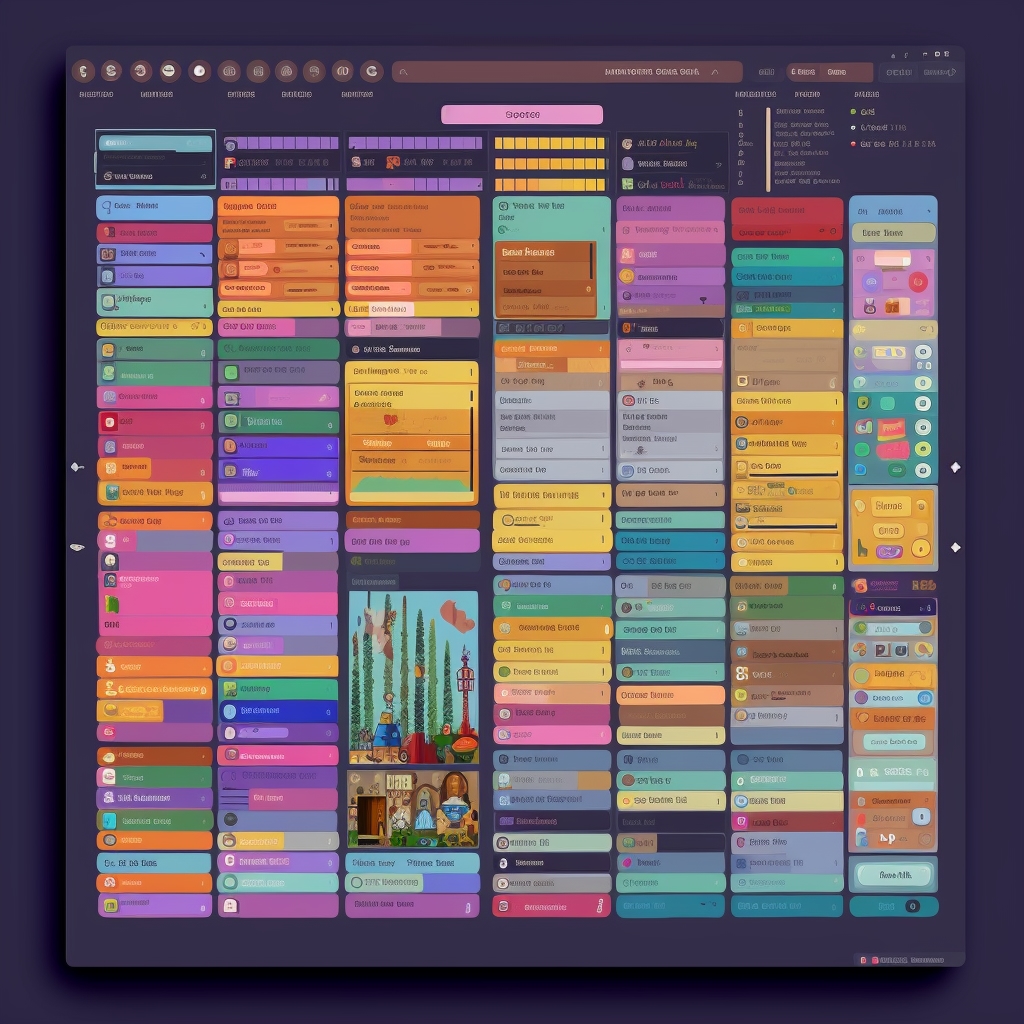
<p><img src="https://d2js5soqcle02q.cloudfront.net/wp-content/uploads/2023/06/lead-in-product-messy-calendarc.jpg" alt="" /></p>

<p>The problem with that approach: I am losing clarity - and on some days, I feel like I am using my mind. I can take more of these assaults on the mind than my team, that’s why I volunteered. But still, I feel the toll. At the end of the day, I do not want to meet any more people. Parent-teacher meetings, soccer games with soccer moms and dads small talk calls, and I would rather not go. </p>

<h3 id="so-how-do-i-stay-sane">So, how do I stay sane?</h3>

<p>I usually choose to decompress in my safe spaces - with my family, working out at home, running on the little river island nearby. </p>

<p>So then I heard the episode of Lenny’s podcast with Gustav Söderström, C-level manager at Spotify, and the feedback the team gave him: You bring energy and clarity to the team.</p>

<p>And that reminded me of what is one of the most important things leaders can do for their team. They need to bring clarity and vision to the team. I usually call it context, but the gist is the same.</p>

<p>Leaders have more data and nuggets of information because they see a bigger picture of the company and the industry. And they need to funnel this through their data processing systems and then ingest it into their team, in digestible pieces. </p>

<p>And this is why I am incredibly excited to be going to Hamburg in June for the inaugural <a href="https://productatheart.com/">Product at Heart</a> Conference where I will be meeting my tribe - product practitioners and leaders - and be comparing notes. And clarity is big on the agenda.</p>

<blockquote>
  <p>1. Providing Directional Clarity to the people around you</p>

  <p>2. Finding Clarity of Thought for yourself</p>
</blockquote>

<p><em>Images: all created by Midjourneys on prompts</em></p>]]></content><author><name></name></author><category term="hot-take" /><category term="clarity" /><category term="introversion" /><summary type="html"><![CDATA[So, I am not a natural people person. I enjoy being around people who I know. I enjoy working in close collaboration and bouncing ideas off one another. But this is always serving something product or work related. So there are days where I spent most of my working hours in a status call or getting in new info for product work. ]]></summary></entry><entry><title type="html">ChatGPT is indistinguishable from magic</title><link href="https://www.leadinproduct.com/hot-take/chatgpt-is-indistinguishable-from-magic/" rel="alternate" type="text/html" title="ChatGPT is indistinguishable from magic" /><published>2022-12-04T15:29:31+00:00</published><updated>2022-12-04T15:29:31+00:00</updated><id>https://www.leadinproduct.com/hot-take/chatgpt-is-indistinguishable-from-magic</id><content type="html" xml:base="https://www.leadinproduct.com/hot-take/chatgpt-is-indistinguishable-from-magic/"><![CDATA[<p>So, I wrote my third or so prompt for ChatGPT, and the result reminded me of this old quote by Arthur C. Clarke:</p>

<blockquote>
  <p>“Any sufficiently advanced technology is indistinguishable from magic.”</p>
</blockquote>

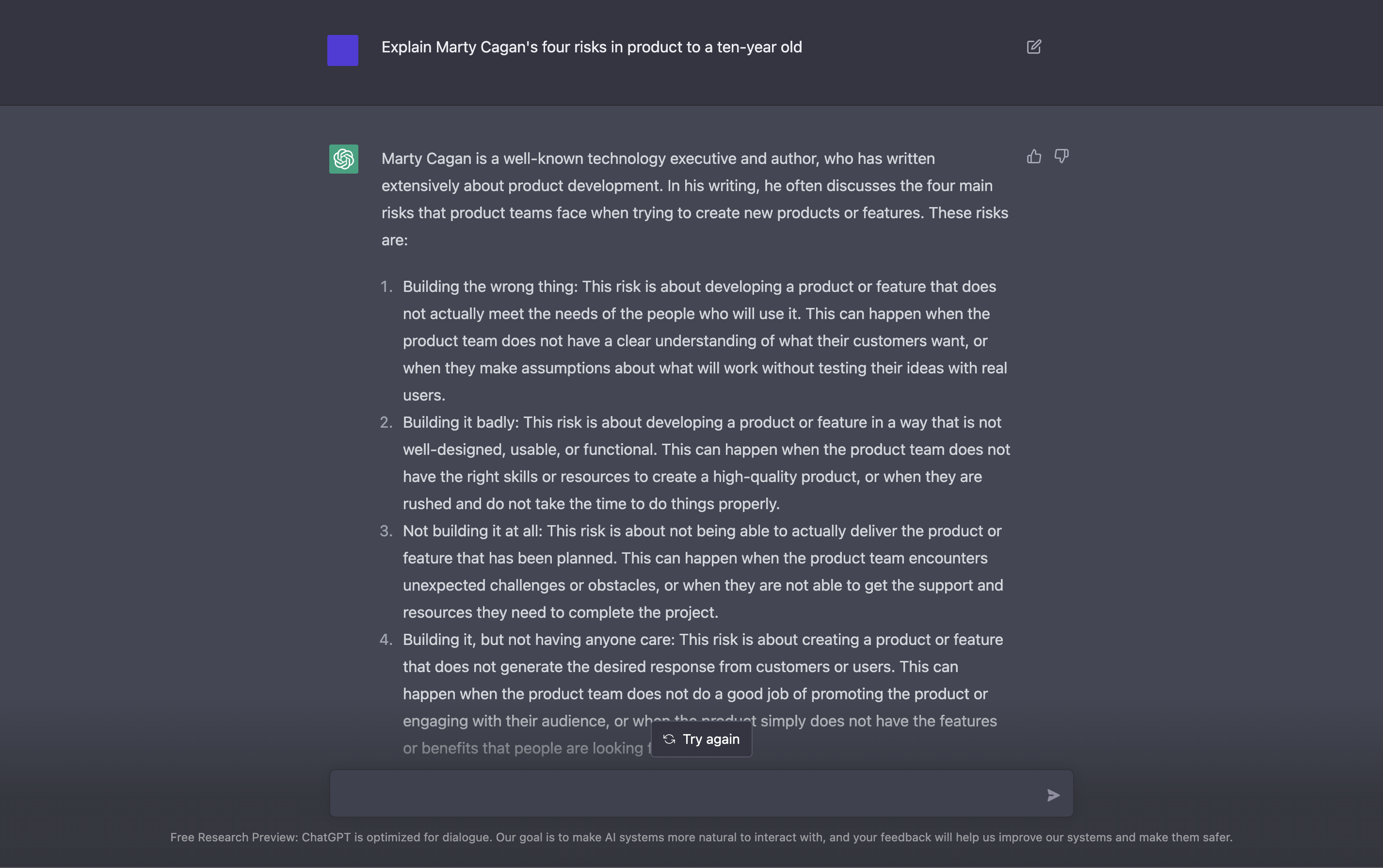
<p><img src="https://d2js5soqcle02q.cloudfront.net/wp-content/uploads/2022/12/chatgpt-explain-marty-cagan-s-four-risks.png" alt="" /></p>

<p>proof of my prompt</p>

<p><strong>my prompt:</strong> Explain Marty Cagan’s four risks in product to a ten-year old</p>

<p>This is what the <strong>model</strong> wrote:</p>

<p>Marty Cagan is a well-known technology executive and author, who has written extensively about product development. In his writing, he often discusses the four main risks that product teams face when trying to create new products or features. These risks are:</p>

<ol>
  <li>Building the wrong thing: This risk is about developing a product or feature that does not actually meet the needs of the people who will use it. This can happen when the product team does not have a clear understanding of what their customers want, or when they make assumptions about what will work without testing their ideas with real users.</li>
  <li>Building it badly: This risk is about developing a product or feature in a way that is not well-designed, usable, or functional. This can happen when the product team does not have the right skills or resources to create a high-quality product, or when they are rushed and do not take the time to do things properly.</li>
  <li>Not building it at all: This risk is about not being able to actually deliver the product or feature that has been planned. This can happen when the product team encounters unexpected challenges or obstacles, or when they are not able to get the support and resources they need to complete the project.</li>
  <li>Building it, but not having anyone care: This risk is about creating a product or feature that does not generate the desired response from customers or users. This can happen when the product team does not do a good job of promoting the product or engaging with their audience, or when the product simply does not have the features or benefits that people are looking for.</li>
</ol>

<p>Overall, these risks can be difficult for product teams to overcome, but they are important to consider and address in order to create successful products.</p>]]></content><author><name></name></author><category term="hot-take" /><summary type="html"><![CDATA[So, I wrote my third or so prompt for ChatGPT, and the result reminded me of this old quote by Arthur C. Clarke:]]></summary></entry><entry><title type="html">Communication is your job</title><link href="https://www.leadinproduct.com/hot-take/communication-is-your-job/" rel="alternate" type="text/html" title="Communication is your job" /><published>2022-05-21T14:50:40+00:00</published><updated>2022-05-21T14:50:40+00:00</updated><id>https://www.leadinproduct.com/hot-take/communication-is-your-job</id><content type="html" xml:base="https://www.leadinproduct.com/hot-take/communication-is-your-job/"><![CDATA[<p><em>Feature Image: Megan Murphy at Mind the Product Hamburg</em></p>

<p>We think and we talk a lot. My kids strongly believe, that I only spend my time (during working hours) in Video calls and screaming into the void, if you want. </p>

<p><a href="https://www.petra-wille.com/blog/leadership-communication-1o1-how-to-make-sure-your-messages-stick">Leadership Communication 1o1: How to Make Sure Your Messages Stick — Petra Wille</a>:</p>

<blockquote>
  <p>How much time do you spend communicating with the other people in your organization? Chances are, it’s not enough. Megan Murphy, VP of Product at Hotjar, told the MTP Engage Leadership Forum that she spends 50% of her time on internal communication. This was such an important tidbit that I called it out as a key learning in my blog recap of the event.</p>
</blockquote>

<p>I stumbled upon Petra Wille’s post this week by browsing on her site. Her newsletter is a heavy recommendation. So, please go and subscribe. I’ll be around. </p>

<p>Glad you’re back. Why did my week prompt this? On Monday, I gave the pitch for an upcoming mega project to my cross-functional team. On Wednesday, I gave a very different version of this pitch to my product peers and on Thursday, I did the executive team version for my C-level management. The decks shared some slides, but the storytelling was vastly different. </p>

<p>For this week, I give myself a passing grade. But go check out Petra Wille’s storytelling resources: <a href="https://www.petra-wille.com/storytelling">https://www.petra-wille.com/storytelling</a> I will do so, too.</p>

<p><em>This is me, chatting away over some nibbles, with the incomparable Megan Murphy:</em></p>

<p><img src="https://d2js5soqcle02q.cloudfront.net/wp-content/uploads/2022/05/mtpengage-hamburg-leadership-forum-2021_51535193078_o-2048x1365.jpg" alt="" /></p>]]></content><author><name></name></author><category term="hot-take" /><summary type="html"><![CDATA[Feature Image: Megan Murphy at Mind the Product Hamburg]]></summary></entry><entry><title type="html">Why is there no X?</title><link href="https://www.leadinproduct.com/longform/why-is-there-no-x/" rel="alternate" type="text/html" title="Why is there no X?" /><published>2022-04-30T13:29:40+00:00</published><updated>2022-04-30T13:29:40+00:00</updated><id>https://www.leadinproduct.com/longform/why-is-there-no-x</id><content type="html" xml:base="https://www.leadinproduct.com/longform/why-is-there-no-x/"><![CDATA[<p>Imagine the following situation: You have come into the new company and settled into your role as the newly hired and appointed product leader. It’s been a whirlwind first three months. But you start seeing the forest for the trees.</p>

<p>You know the ins and outs of your product or portfolio, and you have secured the budget to grow your team. You get into recruiting. </p>

<p>What are you going to ask the candidates? The employee experience starts with a great interviewing experience. The best candidates are off the market like hotcakes. You need to move swiftly and you need to impress them as well. The supply of really great PMs is limited.</p>

<p>I have found one question that works time and time again for senior product people: Why is there no X? The X can be something from your portfolio if it’s well-known, or it can be like the classic VC pitch „our product is like Uber for X“.</p>

<p>Obviously, you can insert anything for X. Let’s do a thought experiment. Why is there no Amazon Maps? I recently discussed that with a senior product person and it gave us a chance to riff on it. The best kinds of interviews, they do not feel like interviews, but like a discussion among peers. </p>

<hr />

<p>(There is of course <a href="https://aws.amazon.com/de/location/">Amazon Maps API</a>, but no big customer-facing product based on it.)</p>

<hr />

<p>Of course, I don’t have insight into Amazon’s grand plans, I’ve only talked to a couple of Amazon product managers and they have a very Amazonian kind of product management philosophy there. Yes, I have read Working Backwards, and have quoted from the PR/FAQ chapter in internal meetings. But that’s about the extent of my insight.</p>

<p>Like with any of these questions, there is no perfect answer. It’s more about the process. About the candidate’s product sense.</p>

<p>It’s a triangulation exercise. Like: How many apples fit into a jumbo jet?</p>

<p>So: Why did Apple start Apple Maps? Because they run a mobile operating system and they did not want to depend on a Google product for a very important mobile use case: directions. They were already heavily dependent on Google for search. (Or a different vendor of search products, say Microsoft.)</p>

<p>What do you need to build maps? Map data, Traffic data, satellite data, a fleet of vehicles to do your mapping, a team for blurring images taken in Germany, etc.)</p>

<p>It’s probably a large 8- to 9-figure investment to make a compelling product. Who are the big providers? Mobile operating system companies and the automotive sector. Even there, one car maker alone could not purchase <a href="https://en.wikipedia.org/wiki/Here_Technologies">Here</a>. It’s a jointly-owned company.</p>

<p>So I would wager, that if the <a href="https://en.wikipedia.org/wiki/Fire_Phone">Fire phone</a> had been a success, Amazon might have invested in the Maps space eventually. To fully fork from Google’s underpinnings, like Apple with Maps.</p>

<p>And the next time you walk into the after-hour of a PM networking event: Think about your X in that question.</p>

<p>Why is there <strong>no European Google</strong> (size of investment, language barrier in original market, data privacy concerns, scraping and copyright concerns)?</p>

<p>Why is <strong>travel search</strong> so broken?</p>

<p>Since I work in publishing: Why is there <strong>no Netflix for news</strong>? That would be our equivalent. (Radically lower shelf life of content, lesser willingness to pay for non-entertainment than for entertainment, much more fragmented market than movie industry, language barriers, lack of differentiation between publishers, importance of national markets much bigger / there is no European or Global public on a lot of topics, much lower content production costs which decreases barrier to market entry - think freelancers and influencers, content creators. Swagger, a little digital product gear and you’re off to the races.)</p>

<p>It’s really fun and very engaging. Try it.</p>

<p>And often, the feature or product in question, was built, Gergerly Orosz reminds us:</p>

<blockquote>
  <p>A lot of the answers to “why {this feature as an outsider I think would be awesome} was not built?” is that it has, and it doesn’t work.<br />
<br />
Answer to “Why don’t food delivery apps show the 5 most common orders as 1-tap order options on the home screen?” from <a href="https://twitter.com/Appyg99?ref_src=twsrc%5Etfw">@Appyg99</a> who built it: <a href="https://t.co/Y5HxkiBEv9">https://t.co/Y5HxkiBEv9</a></p>

  <p>— Gergely Orosz (@GergelyOrosz) <a href="https://twitter.com/GergelyOrosz/status/1520064491433697281?ref_src=twsrc%5Etfw">April 29, 2022</a></p>
</blockquote>

<p>For more junior product people, the equivalent would be: What is your favorite product? It’s also a <a href="https://www.productmanagementexercises.com/632/what-is-your-favorite-product-why">favorite</a> on one of the prep sites for PM interviews.</p>

<p><em>Cover Image based on a Photo by Marjan Blan | @marjanblan on Unsplash</em></p>]]></content><author><name></name></author><category term="longform" /><category term="amazon" /><summary type="html"><![CDATA[Imagine the following situation: You have come into the new company and settled into your role as the newly hired and appointed product leader. It’s been a whirlwind first three months. But you start seeing the forest for the trees.]]></summary></entry><entry><title type="html">The Flywheel of Wordle</title><link href="https://www.leadinproduct.com/hot-take/the-flywheel-of-wordle/" rel="alternate" type="text/html" title="The Flywheel of Wordle" /><published>2022-02-02T04:06:26+00:00</published><updated>2022-02-02T04:06:26+00:00</updated><id>https://www.leadinproduct.com/hot-take/the-flywheel-of-wordle</id><content type="html" xml:base="https://www.leadinproduct.com/hot-take/the-flywheel-of-wordle/"><![CDATA[<p><a href="https://www.nytimes.com/games/wordle/index.html">Wordle</a> has been the runaway success of January 2022. Maybe even December 2021. It’s February now, so I’d rather be quick in writing about it.</p>

<p><a href="https://en.wikipedia.org/wiki/15_minutes_of_fame">Fifteen Days of Fame</a>, paraphrasing Warhol. It’s a word guessing game, playable in the browser, with game mechanics that remind me of Mastermind, a board game I remember from childhood. Once you have a winning score, you can post it to Social Media. That is where the backlash to non-sensical yellow and green dots is happening.</p>

<p>Let‘s do some product thinking on it.</p>

<h2 id="what-job-does-wordle-solve-for-the-customers">What job does Wordle solve for the customers?</h2>

<p>So it provides a couple of minutes of diversion each day for the customers. That’s similar to all the lunch break free-to-play browser games that still are quite popular with people above a certain age.</p>

<p>Newsletter author Charlie Warzel gets right to the heart of the matter:</p>

<blockquote>
  <p>You would be well within your right to assume that I’m an obsessive and that this is a big part of January 2022 Charlie. In reality, though, I wake up in the morning and I enjoy doing the puzzle over coffee. Then I talk to my partner about it for about 60 seconds to three minutes. And I move on.</p>

  <p><a href="https://newsletters.theatlantic.com/galaxy-brain/61eefb8bdc551a0020852bf1/too-much-information/">The Internet is eating Wordle alive</a></p>
</blockquote>

<p>How does Wordle work? What is behind the game’s success? It’s free; there are no power-ups only accessible via in-app purchases. It’s fun and challenging at the same time. I can share my success on social media, the social posts are intriguing and tell a success story of „How smart I am“. I posit that these things go hand in hand and form the flywheel of Wordle.</p>

<p>One of the more nuanced changes to marketing for digital products has been the change of attention from the classical funnel to the flywheel.</p>

<h2 id="what-is-a-flywheel">What is a flywheel?</h2>

<p>The original flywheel is a mechanic device; but nowadays we talk about it as a metaphor for business. The term has been coined by Jim Collins in his business classic „Good to Great“, and it means there is no silver bullet to get traction for your business, but a set of interlocking initiatives actions that help propel your business forward.</p>

<p>It’s closely associated with Amazon founder Jeff Bezos’ thinking. The Amazon flywheel is probably the most prominent example. Let’s look at it and dissect it:</p>

<p><img src="https://s3-us-west-2.amazonaws.com/amazon.job-cms-website.paperclip.prod/global_images/29/images/Cycle.jpg" alt="" /></p>

<p>Hotlinked from Amazon.jobs. I could not find a bigger version of this napkin sketch. Internally, it’s called the virtuous cycle.</p>

<p>What does it signal? By giving customers a great selection, customers have a great customer experience. That translates into more traffic, from existing customers, but also from new customers. That attracts more sellers to the platform which leads to growth. More transactions mean, in the second loop, a lower cost structure for Amazon and also lower prices for customers. Which improves the customers’ experience.</p>

<h2 id="why-is-a-products-flywheel-so-important">Why is a product’s flywheel so important?</h2>

<p>Let’s hear it from the founder of Zuora, one of the biggest subscription services companies, Tien Tzuo. The company has built a model called PADRE which visualizes eight subsystems of the organization and is loosely based on the flywheel concept.</p>

<blockquote>
  <p>Anything you do that doesn’t feed into the customer success flywheel is detrimental to the growth and value of your business.</p>

  <p>Tzuo, Tien; Weisert, Gabe. Subscribed (p.206). Penguin Books Ltd.</p>
</blockquote>

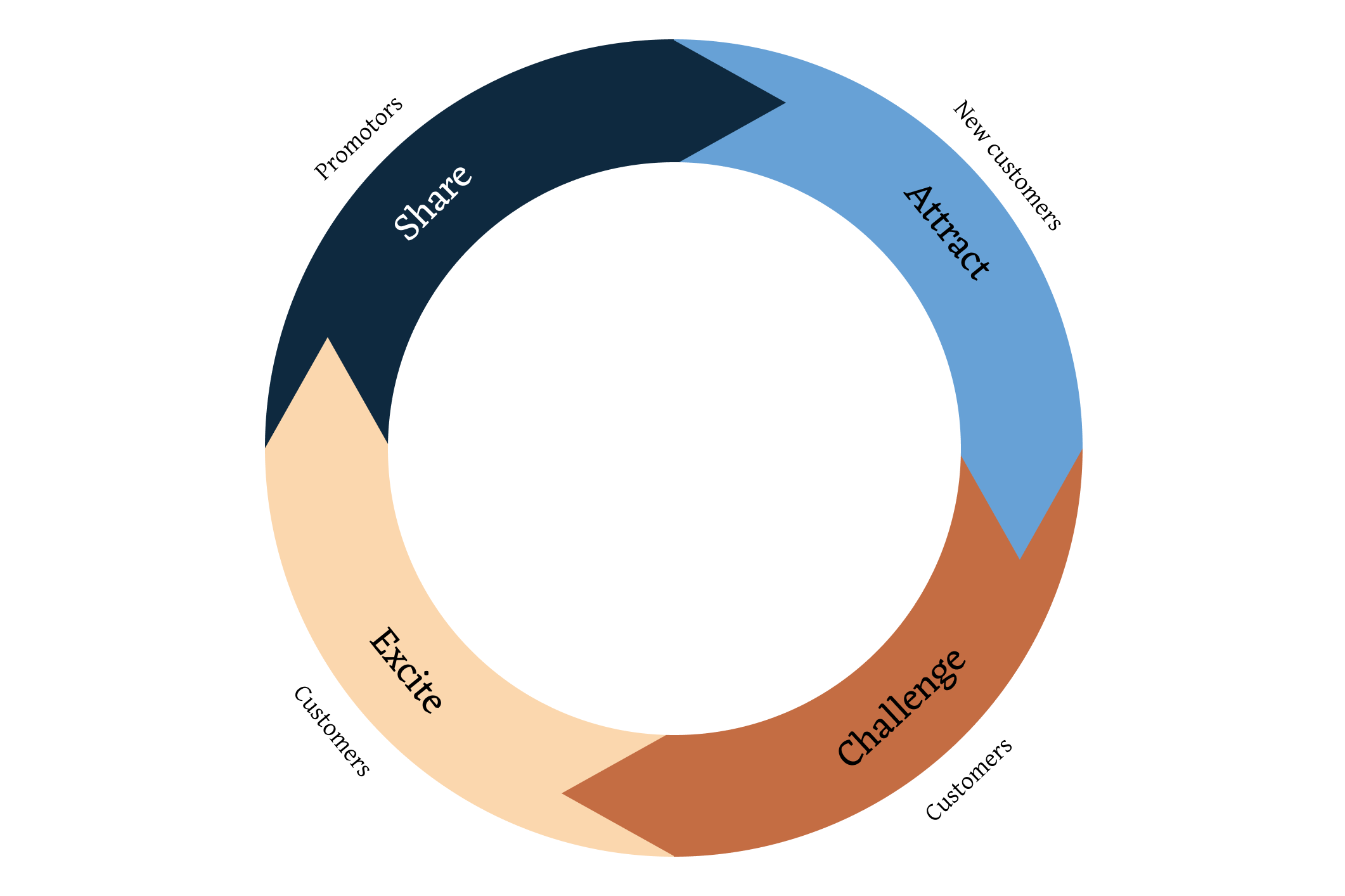
<p>The flywheel of Wordle looks like this to me:</p>

<p><img src="https://d2js5soqcle02q.cloudfront.net/wp-content/uploads/2022/02/flywheel-of-wordle.png" alt="" /></p>

<blockquote>
  <p>Users are attracted by post of game scores (great viz!) on social media. The game itself then challenges them and excites them, day in and day out. Which makes them share their success and their fun with others on social media. The game primes for sharing with a small share link.</p>

  <p>Dom @ Lead in Product</p>
</blockquote>

<p>The intriguing post on social media is key to the success and to the backlash. You need to look at both; both signal the ingenuity.</p>

<p>Wordle has now been <a href="https://www.nytimes.com/2022/01/31/business/media/new-york-times-wordle.html">sold</a> to the New York Times. Congrats, to both parties on this acquisition.</p>]]></content><author><name></name></author><category term="hot-take" /><summary type="html"><![CDATA[Wordle has been the runaway success of January 2022. Maybe even December 2021. It’s February now, so I’d rather be quick in writing about it.]]></summary></entry><entry><title type="html">Strong Product people</title><link href="https://www.leadinproduct.com/book-queue/streng-product-people/" rel="alternate" type="text/html" title="Strong Product people" /><published>2022-01-15T15:35:43+00:00</published><updated>2022-01-15T15:35:43+00:00</updated><id>https://www.leadinproduct.com/book-queue/streng-product-people</id><content type="html" xml:base="https://www.leadinproduct.com/book-queue/streng-product-people/"><![CDATA[]]></content><author><name></name></author><category term="book-queue" /><summary type="html"><![CDATA[]]></summary></entry><entry><title type="html">Empowered</title><link href="https://www.leadinproduct.com/book-review/empowered/" rel="alternate" type="text/html" title="Empowered" /><published>2022-01-15T15:31:04+00:00</published><updated>2022-01-15T15:31:04+00:00</updated><id>https://www.leadinproduct.com/book-review/empowered</id><content type="html" xml:base="https://www.leadinproduct.com/book-review/empowered/"><![CDATA[]]></content><author><name></name></author><category term="book-review" /><summary type="html"><![CDATA[]]></summary></entry></feed>